
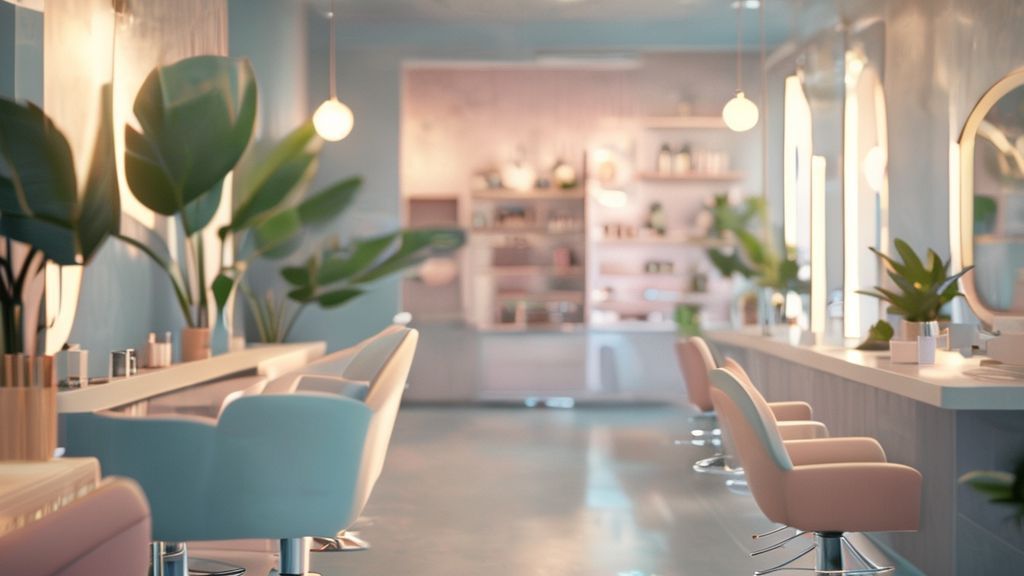
In the dynamic world of beauty and wellness, your salon’s digital presence is no longer just an accessory; it’s the primary gateway for attracting new clients and securing their loyalty. As we look towards 2026, the digital landscape for beauty businesses is evolving, with distinct trends shaping how potential clients perceive and interact with your brand online. The future of high-converting salon websites points towards a sophisticated blend of aesthetics and functionality, spearheaded by the elegant simplicity of minimalism and the inviting warmth of pastel palettes. Understanding and implementing these salon website trends 2026 is crucial for any salon owner aiming to stand out and thrive.
Gone are the days of cluttered, overly ornate websites. Today’s discerning client seeks clarity, ease, and an immediate sense of the salon’s brand identity. This post will explore how embracing a minimalist salon design, coupled with a soothing pastel palette beauty site, can dramatically enhance your online appeal, streamline the user experience, and ultimately drive significant beauty website conversion rates.
The Evolving Digital Front Door: Why Your Salon Website Matters More Than Ever
Your salon website is often the very first interaction a potential client has with your brand. Before they step foot in your beautifully designed physical space, they’re assessing your services, atmosphere, and professionalism through your online portal. A well-crafted website isn’t just a brochure; it’s a powerful marketing tool, a booking engine, and a reflection of your brand’s commitment to excellence.
In an increasingly digital-first world, clients expect seamless online experiences. They want to browse services, view portfolios, read reviews, and book appointments with minimal friction. A website that fails to meet these expectations can quickly deter potential clients, sending them to a competitor whose online presence is more aligned with modern standards. This makes staying ahead of modern salon web design trends not just an option, but a necessity for growth.
Embracing Minimalism: The Art of Less for More Conversions
Minimalism in web design is more than just a passing fad; it’s a philosophy that prioritizes clarity, functionality, and user experience. For salons, a minimalist salon design translates to a clean, uncluttered interface that highlights your services, showcases your work, and guides visitors effortlessly towards booking an appointment. This approach reduces cognitive load, allowing visitors to quickly find what they need without distractions, which is a significant factor in improving beauty website conversion rates.
The core principle of minimalism is “less is more.” This doesn’t mean a lack of content or style, but rather a deliberate focus on essential elements, high-quality visuals, and intuitive navigation. A minimalist site feels sophisticated, trustworthy, and efficient, instantly conveying a sense of professionalism that resonates with clients seeking premium beauty services.
Key Principles of Minimalist Salon Web Design
- Clean Layouts and Ample White Space: White space (or negative space) is crucial. It gives elements room to breathe, making the design feel open, elegant, and easy to scan. This enhances readability and draws attention to key content.
- High-Quality Visuals: With less clutter, your imagery takes center stage. Invest in professional photography that showcases your salon’s ambiance, your team, and, most importantly, your work. These visuals should be inspiring and aspirational.
- Clear, Concise Typography: Choose elegant, readable fonts. Limit yourself to one or two font families to maintain consistency. Headings should be easily distinguishable, and body text should be comfortable to read on any device.
- Intuitive Navigation: A minimalist site demands straightforward navigation. Menus should be simple, clearly labeled, and easily accessible. The goal is for a visitor to find any information they need within a few clicks.
- Focus on Core Services: Highlight your most popular or profitable services. While you might offer a wide range, the homepage and primary service pages should present the most compelling offerings first.
- Fast Loading Speeds: Minimalist designs, by their nature, often have fewer heavy elements, contributing to faster load times. This is critical for user experience and SEO.
The Allure of Pastels: A Soothing Palette for Beauty Sites
Complementing the clean lines of minimalism, the pastel palette beauty site trend for 2026 offers a soft, inviting aesthetic that perfectly aligns with the beauty and wellness industry. Pastel colors—think muted pinks, soft blues, gentle lavenders, mint greens, and creamy yellows—evoke feelings of calm, elegance, femininity, and sophistication. They create a soothing online environment that can reduce stress and make visitors feel more relaxed and open to exploring your services.
Unlike bold, vibrant colors that can sometimes overwhelm or feel aggressive, pastels have a gentle presence. This makes them ideal for a beauty salon, where the experience is often about self-care, tranquility, and enhancement. When used thoughtfully, a pastel palette can differentiate your brand, making your site memorable and visually appealing without being distracting.
Integrating Pastel Hues Effectively
- Backgrounds and Accents: Use pastels for subtle backgrounds, headers, footers, or as accent colors for buttons and calls-to-action. This provides a soft visual framework without overpowering the content.
- Balance with Stronger Neutrals: To prevent the site from looking too washed out or overly sweet, balance pastels with neutral tones like soft grays, beiges, or even crisp whites and blacks for contrast. This adds depth and modern sophistication.
- Brand Consistency: Ensure your chosen pastel palette aligns with your salon’s existing brand identity, interior design, and overall aesthetic. Consistency across all touchpoints reinforces your brand message.
- Photography Integration: Ensure your website’s photography complements the pastel theme. Images with soft lighting, natural textures, and a harmonious color scheme will integrate seamlessly.
Beyond Aesthetics: Functional Trends for High Conversions
While aesthetics are vital for a modern salon web design, true success in attracting new clients and achieving high beauty website conversion rates lies in combining beautiful design with robust functionality and an exceptional user experience (UX). A stunning site that’s difficult to navigate or slow to load will still fail to convert visitors into clients. This is where strategic SEO web design company services come into play, ensuring your site not only looks good but performs optimally.
The 2026 trends emphasize a seamless, intuitive journey for every visitor, transforming browsers into loyal customers. This requires careful attention to conversion rate optimization (CRO) principles, ensuring every element on your page serves a purpose in guiding the user towards a desired action.
Essential Conversion-Boosting Features
- Seamless Online Booking Systems: This is arguably the most critical feature for a salon website. Clients expect to book appointments instantly, 24/7. Your booking system should be user-friendly, clearly integrated, and offer immediate confirmation. Consider options that allow you to white-label your booking experience, maintaining your brand’s look and feel throughout the process.
- Mobile Responsiveness: A significant percentage of web traffic comes from mobile devices. Your website must be fully responsive, adapting flawlessly to any screen size. This isn’t just a trend; it’s a fundamental requirement for SEO and user experience.
- Client Testimonials and Portfolio: Social proof is incredibly powerful. Dedicate prominent sections to glowing client reviews, before-and-after galleries, and a professional portfolio of your team’s work. These build trust and showcase expertise.
- Clear Calls-to-Action (CTAs): Every page should have a clear purpose and a compelling CTA. Whether it’s “Book Now,” “View Services,” or “Consult with an Expert,” CTAs should be visually prominent and action-oriented.
- Optimized for Search Engines (SEO): Even the most beautiful website won’t attract clients if it can’t be found. Implementing strong SEO practices, including keyword optimization, local SEO, and technical SEO, is paramount. Partnering with a car detailing seo agency (or a beauty salon equivalent) can help ensure your site ranks highly for relevant searches.
- Accessibility: Design your website to be accessible to all users, including those with disabilities. This includes clear navigation, sufficient color contrast, and alt text for images. Accessibility is not just ethical, but also improves overall UX and SEO.
- Virtual Consultations & AI Tools: As technology advances, consider integrating virtual consultation options for clients who prefer an initial online discussion or AI-powered tools for personalized product recommendations based on client profiles.
- Blog/Content Section: A blog with relevant articles about beauty tips, trends, and salon news not only positions you as an industry expert but also provides fresh content for SEO, helping your site rank for more keywords. Utilizing an SEO Content Generation machine can help maintain a consistent flow of high-quality, relevant content.
Implementing Your 2026 Salon Website Strategy
Transforming your salon’s digital presence to align with these 2026 trends requires a strategic approach. It’s not just about a facelift; it’s about a complete reimagining of your online client journey. Here’s how to get started:
- Audit Your Current Site: Begin by analyzing your existing website. What works? What doesn’t? Identify areas for improvement in design, functionality, and conversion paths.
- Define Your Brand Identity: Reconfirm your salon’s unique brand voice, aesthetic, and target audience. This will inform your minimalist design choices and pastel palette selection.
- Plan Your Content: Outline the essential pages and content you need. Prioritize high-quality images and concise, compelling copy.
- Seek Professional Web Design and Development: Unless you have extensive web design experience, collaborating with a custom web design company is highly recommended. They can translate your vision into a high-performing, aesthetically pleasing website. Look for a company with expertise in WordPress website development services if you prefer that platform.
- Integrate a Robust Booking System: Work with your developers to integrate a seamless online booking system that offers a branded, intuitive experience for your clients.
- Prioritize SEO from Day One: Ensure your website is built with SEO best practices in mind. This includes technical SEO, on-page optimization, and a content strategy to attract organic traffic. Consider engaging an auto detailing marketing agency (or similar specialized agency for beauty) that understands local SEO and conversion strategies.
- Test and Optimize: Once launched, continuously monitor your website’s performance. Use analytics to track user behavior, identify pain points, and make ongoing adjustments to improve conversion rates. A/B testing different design elements or CTAs can yield significant insights.
The salon industry thrives on aesthetics, experience, and personal connection. Your website should be an extension of that philosophy. By embracing the minimalist salon design and the pastel palette beauty site trends for 2026, you’re not just updating your online look; you’re investing in a strategic tool designed for maximum beauty website conversion and client attraction. A modern, efficient, and beautiful website is your salon’s most powerful asset in a competitive market, ensuring you not only attract new clients but also provide them with an exceptional experience from their very first click.