In today’s fast-paced business environment, effective management of Information Technology (IT) assets is not just an administrative task; it’s a strategic imperative. IT Asset Management (ITAM) provides a structured approach to overseeing the entire lifecycle of an organization’s IT assets, from initial procurement to eventual disposal. While ITAM encompasses all types of IT assets, including software and network components, a critical focus often lies on hardware. Optimizing the hardware lifecycle and understanding its financial depreciation are key to reducing costs, mitigating risks, and maximizing the return on IT investments. This comprehensive guide explores how robust IT asset management can transform an organization’s approach to its physical IT infrastructure, ensuring efficiency and fiscal responsibility.
Understanding IT Asset Management (ITAM)
IT Asset Management (ITAM) is a set of business practices that integrates financial, contractual, and inventory functions to support lifecycle management and strategic decision-making for the IT environment. It involves collecting detailed information about hardware and software assets, tracking their usage, and ensuring compliance with regulations and organizational policies. Beyond simply knowing what assets an organization owns, ITAM is about understanding their value, performance, and contribution to business objectives.
The Scope of ITAM
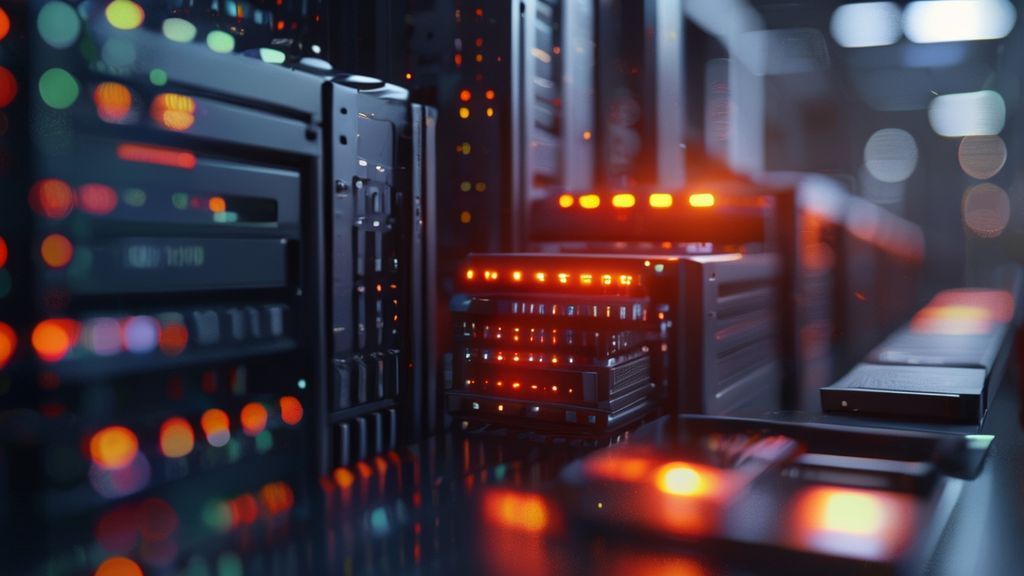
- Hardware Assets: This includes everything from servers, laptops, desktops, and mobile devices to networking equipment, printers, and peripherals. Tracking these physical assets is crucial for inventory control, maintenance scheduling, and security.
- Software Assets: Managing software licenses, installations, and usage ensures compliance with vendor agreements, prevents over-licensing, and identifies underutilized software.
- Network Assets: Routers, switches, firewalls, and other network infrastructure components also fall under ITAM, requiring tracking for performance, security, and maintenance.
A well-implemented ITAM strategy leads to better utilization of resources, enhanced security postures, and significant cost savings. It empowers organizations to make informed decisions about purchasing, deploying, and retiring assets, directly impacting their operational efficiency and financial health.
The Hardware Lifecycle: From Procurement to Disposal
The hardware lifecycle consists of several distinct phases, each presenting opportunities for optimization through effective ITAM. Managing these stages meticulously ensures that assets deliver maximum value throughout their operational life.
Planning and Procurement
This initial phase involves assessing business needs, determining the type and quantity of hardware required, and selecting vendors. A robust ITAM system provides historical data on asset performance, user requirements, and common issues, informing smarter purchasing decisions. It helps in standardizing hardware configurations, negotiating better deals with suppliers, and ensuring that new acquisitions align with overall IT strategy.
Organizations often face a critical choice between developing in-house solutions or adopting pre-existing ones. When considering new digital tools or platforms, the strategic choice between custom software vs. off-the-shelf solutions can significantly impact the hardware and software assets an organization needs to acquire and manage. This decision directly influences procurement strategies, deployment efforts, and long-term maintenance costs.
Deployment and Utilization
Once acquired, hardware assets are deployed and assigned to users or specific functions. ITAM tracks the precise location, user assignment, and configuration of each asset. This phase includes:
- Inventory Management: Maintaining an accurate and up-to-date record of all hardware assets. This includes serial numbers, specifications, purchase dates, and warranty information. Accurate IT inventory management is foundational to ITAM.
- Asset Tracking: Using tools like barcodes, RFID tags, or agent-based software to monitor asset movement and status.
- Performance Monitoring: Ensuring assets are being utilized effectively and performing as expected. Identifying underutilized assets allows for reallocation or repurposing.
Maintenance and Support
Throughout their operational life, hardware assets require maintenance, updates, and support. ITAM helps in scheduling preventative maintenance, tracking repair history, and managing warranty claims. By having a clear view of an asset’s health and support contracts, organizations can proactively address issues, minimize downtime, and extend the useful life of their hardware.
This phase also involves managing software updates and patches, which often impact hardware performance. Keeping software assets current is vital for security and compatibility.
Retirement and Disposal
When hardware reaches the end of its useful life, it enters the retirement phase. Proper disposal is critical for data security, environmental compliance, and maximizing residual value. ITAM ensures:
- Data Sanitization: Securely wiping all sensitive data from devices before disposal or repurposing.
- Environmental Compliance: Adhering to regulations for electronic waste (e-waste) disposal.
- Value Recovery: Identifying opportunities for resale, recycling, or donation to recover residual value and offset new acquisition costs.
Each step in this lifecycle, from procurement to disposal, relies heavily on accurate data and streamlined processes that a robust ITAM solution provides. Consider how modern web applications, like Progressive Web Apps (PWA), can unlock cost-efficiency and enhanced user experience, potentially influencing future hardware procurement as reliance shifts towards more flexible and cloud-based IT assets.
Financial Depreciation: Understanding the Economic Impact of IT Assets
Hardware assets, like all physical assets, lose value over time due to wear and tear, obsolescence, and technological advancements. This loss of value is known as depreciation, and it has significant financial implications for businesses, affecting balance sheets, tax liabilities, and future investment planning.
Methods of Depreciation
Several methods are used to calculate depreciation, with the most common being:
- Straight-Line Depreciation: This is the simplest method, spreading the cost of an asset evenly over its estimated useful life.
Formula: (Cost of Asset – Salvage Value) / Useful Life
- Declining Balance Depreciation: This method accelerates depreciation, recognizing a higher expense in the early years of an asset’s life and a lower expense in later years. It often reflects the faster obsolescence of IT hardware.
ITAM plays a crucial role in managing depreciation by providing accurate data on asset acquisition costs, useful life estimations, and disposal values. This data allows finance teams to calculate depreciation more accurately, leading to precise financial reporting and tax optimization.
Optimizing Asset Value and Useful Life
A proactive ITAM strategy helps extend the useful life of assets where possible, delaying the need for new purchases and thus slowing down depreciation. By providing insights into asset performance and maintenance history, ITAM helps determine the optimal time to retire or upgrade hardware. This balances the cost of continued maintenance against the cost of new acquisition and the impact of reduced performance.
Understanding the financial implications of depreciation is vital for IT budgeting. It ensures that funds are allocated not just for new purchases, but also for maintaining, upgrading, and eventually replacing aging hardware, ensuring continuity and efficiency across operations.
Strategic Benefits of a Robust ITAM Program
Implementing a comprehensive ITAM program extends far beyond simply tracking assets. It offers profound strategic advantages that positively impact an organization’s bottom line, risk profile, and operational effectiveness.
Cost Reduction
One of the most immediate and tangible benefits of ITAM is significant cost reduction. By having a clear view of all hardware assets, organizations can:
- Avoid Unnecessary Purchases: Identify underutilized assets that can be repurposed rather than buying new ones.
- Optimize Vendor Contracts: Leverage accurate inventory data to negotiate better pricing and terms with hardware suppliers.
- Reduce Maintenance Costs: Track warranties and support contracts to avoid paying for services already covered, and schedule preventative maintenance to extend asset life, reducing costly emergency repairs.
Furthermore, ITAM can help optimize the entire IT environment. For example, by efficiently managing hosting and platform solutions, businesses can prevent unnecessary expenditures. Finding the best WordPress hosting for small business, for instance, means balancing cost with performance, directly impacting an organization’s operational budget and the overall value derived from its digital assets.
Risk Mitigation
ITAM significantly enhances an organization’s security posture and compliance adherence:
- Enhanced Security: Knowing where all assets are located helps prevent loss or theft. It also ensures that security patches and updates are applied to all devices, closing potential vulnerabilities.
- Compliance Assurance: Accurate asset records are critical for regulatory compliance (e.g., GDPR, HIPAA). ITAM provides an audit trail for all hardware assets, demonstrating responsible management.
- Data Protection: Ensures proper data sanitization before asset disposal, mitigating the risk of data breaches.
Improved Decision-Making
With detailed data on asset performance, lifecycle costs, and usage patterns, ITAM provides invaluable insights for strategic decision-making. This includes:
- Future Investments: Data-driven insights on which hardware performs best, its total cost of ownership, and user satisfaction guide future procurement decisions.
- Budgeting and Forecasting: More accurate projections for IT expenditure on hardware, replacements, and upgrades.
- Technology Refresh Cycles: Determining the optimal time for technology refreshes based on performance, depreciation, and user needs, rather than arbitrary timelines.
Operational Efficiency
ITAM streamlines various IT operations, leading to improved efficiency:
- Streamlined Onboarding/Offboarding: Quickly assigning assets to new employees and retrieving them from departing ones.
- Faster Issue Resolution: Support teams can quickly identify and troubleshoot issues when they have accurate information about an asset’s configuration and history.
- Resource Allocation: Ensuring that the right hardware is available to the right users at the right time.
Implementing smart tools to assist with internal processes can further boost this efficiency. For instance, a Context Aware Chat Bot for your Website could be an asset for IT support, helping users with common issues and reducing the workload on human staff, demonstrating how IT assets contribute to broader operational improvements.
Implementing an Effective ITAM Strategy
Building a successful ITAM program requires more than just purchasing software; it involves establishing clear policies, processes, and fostering collaboration across departments. While the core focus is often on hardware, the broader implications for managing all digital resources are immense. Just as a well-managed physical inventory is critical for operational success, so too is a strategically designed online presence. A Best Auto Detailing Website design, for example, represents a significant digital asset that requires ongoing management, updates, and strategic placement to ensure it continues to attract and serve its intended audience.
Key Components of an ITAM Program
- Policies and Procedures: Define clear guidelines for asset requisition, procurement, deployment, usage, maintenance, and disposal. These policies should cover everything from approved vendors to data sanitization protocols.
- Dedicated Team/Roles: Assign clear responsibilities for ITAM activities. This might involve a dedicated ITAM specialist or a cross-functional team with representation from IT, finance, and procurement.
- IT Inventory Management Software: Invest in a robust ITAM tool that can automate asset discovery, tracking, and reporting. This software should integrate with other systems like helpdesk, procurement, and HR.
- Regular Audits: Conduct periodic audits to verify the accuracy of asset records against physical inventory. This helps identify discrepancies, lost assets, or unrecorded acquisitions.
Best Practices for Success
- Start Small, Scale Up: Begin with a manageable scope, perhaps focusing on a specific type of asset or department, and then expand the program gradually.
- Automate Where Possible: Leverage ITAM tools for automated asset discovery, status updates, and reporting to reduce manual effort and improve accuracy. For example, automating tasks like content generation can significantly free up resources, much like how an SEO content generation machine can streamline marketing efforts. This principle of automation extends to all areas where efficiency can be gained through intelligent tools.
- Foster Collaboration: ITAM is not solely an IT function. Involve stakeholders from finance, procurement, legal, and other departments to ensure the program meets diverse organizational needs.
- Continuous Improvement: Regularly review and refine ITAM processes based on feedback, technological changes, and evolving business requirements.
- Integrate with Other Systems: Seamless integration with service desk, configuration management database (CMDB), and financial systems provides a holistic view of IT operations and asset value. The ability to Post 30 articles in a Day with SyncRanker highlights how integrated platforms can drastically improve output and efficiency by managing content as a digital asset, thereby reducing manual effort and ensuring consistent delivery.
Effective ITAM, therefore, becomes a continuous cycle of planning, implementation, monitoring, and improvement. It requires ongoing commitment and the right tools to manage a dynamic IT environment efficiently. This proactive approach not only optimizes hardware lifecycle and financial depreciation but also contributes to the overall strategic agility and resilience of the organization.
In conclusion, IT Asset Management is an indispensable practice for any organization seeking to thrive in a technology-driven world. By strategically managing the entire lifecycle of hardware assets, businesses can unlock significant cost savings, reduce operational risks, enhance security, and make more informed decisions about future technology investments. Embracing ITAM isn’t just about managing technology; it’s about managing business value and ensuring a sustainable, efficient, and compliant IT infrastructure for years to come.